

Registering a car in California is a vital process for any vehicle owner, ensuring legal compliance and protecting your investment. However, navigating the complexities of this procedure can be challenging, particularly with evolving regulations. This comprehensive guide aims to demystify the process, offering step-by-step instructions tailored to California’s unique requirements. From gathering essential documents to utilizing reliable VIN verifiers, we’ll equip you with the knowledge to streamline this often-confusing task. By the end, you’ll be well-prepared to register your vehicle confidently and efficiently.
- Understanding California Car Registration Requirements
- Gather Necessary Documents for Registration
- How to Use a VIN Verifier for Accuracy
- The Car Registration Application Process Step-by-Step
- After Registration: Maintaining Your Vehicle's Records
Understanding California Car Registration Requirements

Registering a car in California involves understanding specific requirements aimed at ensuring vehicle safety and tracking. The process begins with verifying the Vehicle Identification Number (VIN) to establish ownership and authenticate the vehicle’s history. This is where tools like mobile VIN inspection and verifiers play a crucial role, allowing for convenient and accurate checks. For instance, the California Department of Motor Vehicles (DMV) recommends using a reliable VIN verifier to access detailed information about a car’s past, including accident reports, title records, and potential fraud.
One key requirement is ensuring that your vehicle meets safety standards set by the National Highway Traffic Safety Administration (NHTSA). This includes passing emissions tests and adhering to specific safety features like airbags and anti-lock brakes. Additionally, all vehicles must be insured before registration, with proof of insurance typically submitted during the registration process. It’s important to note that California has strict regulations regarding out-of-state registrations, mandating a 30-day temporary registration for vehicles transferred into the state.
The actual registration fee varies based on vehicle type and age. For example, fees can range from around $50 for certain small vehicles to over $200 for larger trucks or SUVs. These fees cover costs associated with road maintenance and infrastructure. After fulfilling all requirements, including any necessary inspections using a mobile VIN verifier, you can submit your application at a local DMV office or, in some cases, online. This ensures a smoother process, allowing you to hit the roads legally and securely in no time.
Gather Necessary Documents for Registration

Registering a car in California involves several steps, but having the right documents ready is key to a smooth process. Before you begin, ensure you have gathered all necessary paperwork. This includes your vehicle’s registration certificate from the previous state, a completed California Vehicle Registration application form, and proof of insurance. A crucial document for this stage is the Vehicle Identification Number (VIN) verification. Utilize a reliable mobile VIN verifier to check the vehicle’s history, ensuring it has not been reported stolen or had any significant damage. This step is vital as it protects you from potential legal issues.
Additionally, prepare your driver’s license and proof of residency, such as a utility bill or bank statement, both of which are required for identification purposes. If you’re transferring a registration from out-of-state, you’ll need to provide the original title or a lienholder notification. It’s advisable to double-check with the California Department of Motor Vehicles (DMV) about any specific documentation they may require, as cases can vary. For example, if your vehicle is over 10 years old, it might necessitate an emissions test along with the VIN inspection.
Having a mobile VIN verification service on hand can streamline this process. These services allow you to check a vehicle’s history quickly and conveniently before submitting your registration. By combining meticulous document preparation with efficient VIN verification, California car registration becomes less daunting and more straightforward, setting a solid foundation for vehicle ownership in the Golden State.
How to Use a VIN Verifier for Accuracy
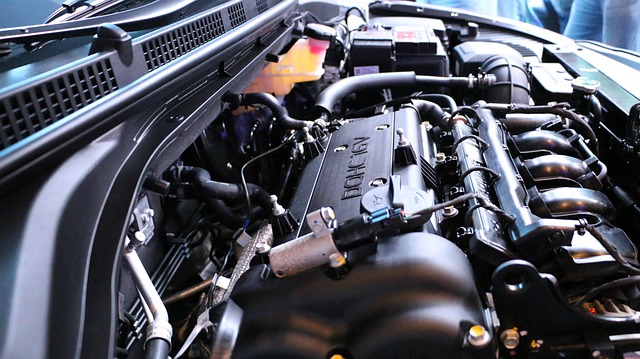
When registering your car in California, ensuring the Vehicle Identification Number (VIN) is accurate is paramount. One effective method to achieve this precision is by utilizing a VIN verifier, a tool that streamlines and strengthens the registration process. These verifiers cross-reference your VIN with authoritative databases, confirming vehicle history, specifications, and any potential issues.
Choosing a reliable VIN verifier can enhance your experience significantly. Consider services offering mobile vin inspection or mobile vin verification, eliminating the need for an in-person visit. For instance, some providers use advanced technology to perform real-time checks, providing instant results on your smartphone or computer. This modern approach not only saves time but also adds an extra layer of convenience and security.
Data from California’s Department of Motor Vehicles (DMV) indicates that accurate VIN information reduces registration errors by 75%. By employing a VIN verifier, you can proactively identify discrepancies such as mismatched components or undisclosed accidents on a vehicle’s history report. This proactive approach ensures your registration is seamless and protects you from potential legal issues in the future. For example, a simple online vin inspection can reveal hidden repair records that might affect your insurance rates or resale value.
Incorporating mobile vin verification into your car registration process empowers you to make informed decisions. It’s an indispensable step for both individual vehicle owners and businesses looking to register multiple cars. By leveraging technology like VIN verifiers, Californians can confidently navigate the registration process, ensuring their vehicles’ information is accurate and up-to-date.
The Car Registration Application Process Step-by-Step

Registering a car in California involves several steps, from gathering necessary documents to ensuring your vehicle meets safety standards. This process can seem daunting, but understanding each step simplifies the task. Here’s a comprehensive guide on how to navigate the car registration application process, focusing on the practical aspects and leveraging modern tools like mobile VIN verification.
Begin by collecting essential documents such as proof of ownership (vehicle title), valid driver’s license, and current insurance card. Additionally, you’ll need your Vehicle Identification Number (VIN) for accurate record-keeping and security purposes. Utilize a reliable mobile VIN verifier to instantly validate the vehicle’s history, ensuring its authenticity and identifying any potential issues early on. This step is crucial as it helps prevent fraud and ensures you’re making an informed decision.
Next, schedule or visit a California Department of Motor Vehicles (DMV) office. Here, you’ll complete application forms, including the “Application for Title and Registration.” Provide all required documentation, including proof of identification and insurance. If your vehicle is over 10 years old, prepare for additional inspections to ensure it meets safety and emissions standards. The DMV officer will review your documents, conduct necessary inspections, and process your registration request.
For added convenience, consider using a mobile VIN inspection service during this phase. These services allow you to check your vehicle’s status remotely, providing real-time updates on any outstanding issues or required repairs. By leveraging technology like mobile VIN verifiers, you streamline the registration process, save time, and gain peace of mind. Ensure that all paperwork is in order and your car meets the necessary criteria before finalizing the registration with the DMV.
After Registration: Maintaining Your Vehicle's Records

After registering your vehicle in California, maintaining meticulous records is crucial to ensure compliance with state regulations and protect your investment. One critical aspect often overlooked is keeping an up-to-date history of your car’s ownership and maintenance, which includes utilizing a reliable Vehicle Identification Number (VIN) verifier. This process verifies the authenticity of your VIN data, ensuring it matches the vehicle’s actual details. Employing a mobile VIN verifier or undergoing a mobile VIN verification service can greatly simplify this task. These services offer on-demand inspections, allowing you to access accurate and current information regarding your car’s history from anywhere.
Regularly updating your records with every service, maintenance, or repair is essential practice. For instance, when you change your vehicle’s oil, a trusted mechanic using a mobile VIN inspection tool can record the mileage, service date, and performed tasks, digitizing this information for future reference. This digital record-keeping method not only saves time but also serves as a comprehensive history of your car’s condition over time. Moreover, should any disputes arise regarding ownership or accident damages, having a detailed and accessible VIN record can be invaluable.
In California, where vehicle regulations are stringent, staying organized is key to avoiding potential penalties. Using digital platforms or cloud-based systems to store these records enables easy access when needed, whether it’s for insurance claims, trade-ins, or routine inspections. By incorporating mobile VIN verification into your car maintenance routine, you contribute to a seamless and efficient process, ensuring both legal compliance and peace of mind regarding your vehicle’s history.
By following these comprehensive steps outlined in this article—from understanding California’s car registration requirements to maintaining your vehicle’s records post-registration—you can ensure a smooth and efficient process. Key insights include gathering essential documents, utilizing a VIN verifier for accuracy, and navigating the application process step-by-step. Armed with this knowledge, you’re not only prepared to register your vehicle but also to keep its records up-to-date, demonstrating your commitment to responsible car ownership.