

Registering a car in California is a vital step for any new vehicle owner, ensuring legal compliance and establishing your rights and responsibilities on the road. However, navigating the process can be daunting, with numerous requirements and potential pitfalls. This comprehensive guide aims to demystify the registration procedure, providing step-by-step instructions and expert insights. We’ll cover everything from gathering necessary documents to utilizing the DMV’s online tools, including their VIN verifier, to ensure a smooth and efficient experience. By following these guidelines, you’ll be well-equipped to successfully register your vehicle in the Golden State.
- Prepare Necessary Documents for Car Registration
- Understand Eligibility Requirements in California
- Gather Vehicle Identification Number (VIN) Data
- Visit a DMV or Use Online Services for Registration
- Complete Inspection and Pay Registration Fees
Prepare Necessary Documents for Car Registration

To register a car in California, you’ll need to gather specific documents for a seamless process. One crucial step is ensuring your Vehicle Identification Number (VIN) is accurate and verifiable. The California Department of Motor Vehicles (DMV) recommends utilizing a DMV VIN verifier or mobile vin inspection service to confirm the vehicle’s history and identify any potential issues before registration. This proactive measure can save time, money, and future headaches.
A valid VIN inspection can be conducted through various means, including online tools, dedicated services, or even mobile vin verification apps. These methods provide instant access to detailed vehicle reports, offering peace of mind when purchasing a used car. For instance, data from the National Motor Vehicle Title Information System (NMVTIS) indicates that over 80% of California residents opt for VIN checks prior to registration, highlighting their importance in maintaining a safe and secure automotive environment.
When preparing your documents, create a structured folder with all necessary paperwork organized chronologically. This includes sales invoices, bill of sale, proof of insurance, and any maintenance records. Additionally, ensure your vehicle’s title is readily available if transferring ownership. For out-of-state registrations, you might require additional forms or notarial services. Engaging in these preparatory steps ensures a smooth car registration process, especially when utilizing modern tools like mobile vin verification for added convenience and accuracy.
Understand Eligibility Requirements in California

In California, registering a car involves understanding specific eligibility requirements set by the Department of Motor Vehicles (DMV). Before initiating the registration process, vehicle owners must ensure their cars meet certain criteria to be eligible for road usage. The first step is confirming that the vehicle is safe and legal. This includes checking for any outstanding safety recalls, ensuring all lights and signs are functional, and verifying the vehicle identification number (VIN) through a reliable DMV VIN verifier like the one available on the California DMV website.
One crucial aspect to consider is the age of your vehicle. In California, cars older than 25 years must pass an emissions test during registration. Additionally, vehicles not considered “classic” or “collectible” by the DMV may require inspection certificates from certified repair facilities. This underscores the importance of understanding both federal and state regulations to avoid delays in the registration process. For instance, a mobile VIN inspection service can verify a vehicle’s history, including any reported accidents or outstanding issues, making it an efficient alternative for those who prefer a more convenient approach.
Another significant requirement pertains to ownership documentation. You’ll need proof of ownership, which can be in the form of a purchase agreement, title certificate, or another legal document that demonstrates clear ownership. Furthermore, ensuring your registration fees are up to date is essential, as failure to pay on time can lead to penalties and delays. It’s also worth noting that certain types of vehicles may have additional requirements, such as commercial vehicles or those with modified engine specifications, which should be verified directly with the DMV using a mobile VIN verifier for accurate, immediate information.
Gather Vehicle Identification Number (VIN) Data

Before registering your car in California, gathering accurate Vehicle Identification Number (VIN) data is a crucial step. The VIN is a unique code that serves as the car’s fingerprint, containing vital information about its make, model, year, and manufacturing details. In California, this process involves using a reliable DMV VIN verifier to ensure the vehicle’s authenticity and history. It’s important to note that a valid VIN inspection is essential for completing your registration smoothly and avoiding potential issues down the line.
One practical approach is to utilize mobile VIN verification services. These platforms allow you to quickly and easily access detailed vehicle information by simply entering or scanning the VIN number. Many of these mobile vin verifiers provide real-time data, giving you peace of mind that the vehicle matches the description and is not a stolen or reported damaged unit. For instance, California’s Department of Motor Vehicles (DMV) offers an online tool where you can verify a vehicle’s title and history using its VIN number. This digital method streamlines the process, making it convenient for both car buyers and sellers.
During your vin inspection, ensure that all data aligns with the vehicle’s physical characteristics. This includes checking the engine type, transmission, body style, and other specifications against the provided information. Additionally, verify that there are no outstanding recalls or defects associated with the VIN, as this could impact registration and safety standards. By combining a thorough mobile vin verification with meticulous record-keeping, you’ll be well on your way to successfully registering your car in California.
Visit a DMV or Use Online Services for Registration

Registering a car in California involves a straightforward process, but there’s a crucial step many overlook: proper vehicle identification number (VIN) verification. The Department of Motor Vehicles (DMV) relies on accurate VIN data for registration and titling, ensuring each vehicle is accounted for and meets safety standards. Traditionally, visiting a DMV office for this inspection has been the norm. However, California offers a modern alternative—online services—that includes remote VIN verification via what’s commonly known as a mobile vin verifier or mobile vin inspection tool.
Using a mobile vin verifier can save you valuable time and effort. This digital solution allows you to complete the initial registration process remotely by inputting your vehicle’s unique VIN into an approved online platform. The system then cross-references this data with DMV records, ensuring it matches a valid vehicle in their database. Compared to traditional on-site inspections, which may involve waiting times and potential office visits, mobile vin verification offers convenience and speed. For instance, some services can provide instant results, enabling you to initiate the registration process promptly from the comfort of your home or even while on the go.
It’s essential to ensure the accuracy of the data provided during this digital inspection. Inaccurate VIN information could lead to delays or issues with registering your vehicle. Many mobile vin verifier apps or online platforms are designed with user-friendly interfaces, making it simple to enter your VIN and follow the prompts. Some even integrate with popular car selling platforms, streamlining the process for both buyers and sellers. By leveraging these modern tools, you can efficiently navigate California’s registration requirements, ensuring a smooth transition for your newly acquired vehicle.
Complete Inspection and Pay Registration Fees
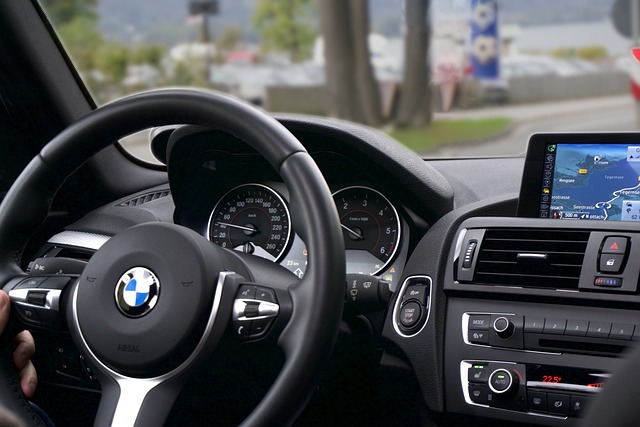
Before registering your car in California, a comprehensive inspection is mandatory. This process involves a thorough examination of various components to ensure your vehicle meets safety and emissions standards. The California Department of Motor Vehicles (DMV) offers both in-person and mobile vin inspection services through their authorized agents. A popular option for many is the mobile vin verifier, which provides convenience and efficiency by conducting an on-site check. This service is particularly useful when dealing with vehicles that may be challenging to transport or require immediate registration.
During a mobile vin inspection, a trained professional will verify the vehicle’s identification number (VIN) and perform checks on critical systems such as brakes, lights, tires, and emissions controls. They’ll also inspect the overall condition of the car, including any visible damage or modifications. It’s crucial to be present during this process to provide necessary information and ensure the accuracy of records. In some cases, you might need to schedule an appointment for a more detailed inspection, especially if your vehicle has undergone significant alterations.
Once the inspection is complete and your car passes all requirements, the next step involves paying the registration fees. These fees vary based on several factors, including the type of vehicle and its age. It’s advisable to check the DMV website or contact a local office for up-to-date fee structures. You can opt for various payment methods, typically including cash, credit card, or debit card. As part of this process, you’ll also need to provide proof of insurance and ensure your license plates meet California’s specifications. By completing these steps diligently, you’ll have successfully registered your car in California, paving the way for smooth operation on state roads.
By meticulously preparing the required documents, understanding California’s eligibility criteria, gathering accurate VIN data using a DMV vin verifier, and successfully completing the registration process at a DMV or online, you can ensure a smooth car registration experience in this state. These steps serve as foundational knowledge for any vehicle owner looking to navigate California’s regulations efficiently. Taking these practical next steps will not only facilitate the registration process but also empower you to confidently manage your vehicle’s legal standing in one of the nation’s most populous and diverse states.