

Looking to register your car in California? This comprehensive guide walks you through every step, from understanding essential requirements to securing your license plate. California’s registration process involves specific documentation, including proof of insurance and vehicle ownership. You’ll need to visit your local DMV, complete a DVW VIN verification, and pay associated fees. By following these straightforward steps, you’ll be legally registered in no time.
- Understand California Car Registration Requirements
- Gather Necessary Documents for Registration
- Visit Your Local DMV for Vehicle Registration
- Complete VIN Verification Process Efficiently
- Pay Registration Fees and Receive Your License Plate
Understand California Car Registration Requirements

Before registering your car in California, it’s crucial to understand the state’s specific requirements. The California Department of Motor Vehicles (DMV) mandates that all vehicles must undergo a comprehensive inspection and verification process. This includes a Vehicle Identification Number (VIN) check, ensuring the vehicle’s authenticity and history. The DMV offers both in-person and mobile vin verifier services, allowing for convenient and efficient registration.
During the registration process, you’ll need to present valid documentation, such as proof of ownership, insurance, and identification. Additionally, your vehicle must meet safety and emissions standards set by the state. A mobile vin inspection or verification through an approved service can streamline this process, making it easier for both new and existing California residents to comply with these requirements.
Gather Necessary Documents for Registration

Before you begin the registration process, it’s crucial to gather all the essential documents. In California, you’ll need several key pieces of information and paperwork to ensure a smooth transaction at the Department of Motor Vehicles (DMV). One critical step is to obtain a Vehicle Identification Number (VIN) verification from a reliable source. This can be done with a mobile VIN verifier or through a mobile VIN inspection, ensuring the vehicle’s history is accurate and free of any red flags.
Among the required documents are your vehicle’s registration certificate from the previous state, proof of insurance, and a valid driver’s license. Additionally, you’ll need to present paperwork demonstrating the sale of the vehicle, such as a bill of sale or a notarial deed. Remember to bring along any applicable fees for registration and title transfer, making sure to follow the DMV’s guidelines for acceptable forms of payment.
Visit Your Local DMV for Vehicle Registration
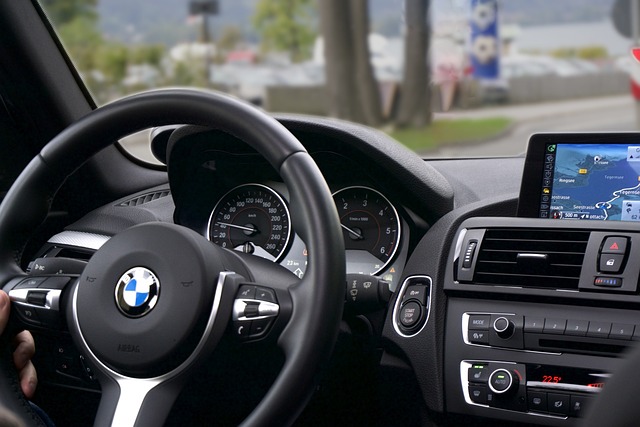
Visiting your local DMV is a crucial step in registering your car in California. This process involves several key procedures, starting with a thorough vehicle inspection and verification. During your visit, you’ll need to present important documents such as proof of ownership, insurance, and identification. The staff at the DMV will conduct a vin (vehicle identification number) inspection to ensure that your car meets all necessary safety standards and is legally eligible for registration.
In California, this often includes a mobile vin verification process, where a designated official uses specialized equipment to cross-reference your vehicle’s details against state databases. This step ensures the authenticity of your car and helps prevent fraud or unauthorized usage. By completing these procedures at the DMV, you’ll be one step closer to officially registering your vehicle in the Golden State.
Complete VIN Verification Process Efficiently

Completing the DMV VIN verification process efficiently is a crucial step when registering your car in California. Start by gathering all necessary documents, including proof of ownership, insurance, and identification. This ensures a smooth transaction from the get-go. Next, you’ll need to schedule a mobile vin inspection or visit a designated center for the verification. The Department of Motor Vehicles (DMV) will cross-reference your vehicle’s unique Vehicle Identification Number (VIN) with their records to confirm its authenticity and history.
Consider opting for a mobile vin inspection for added convenience. Many services offer this option, allowing a trained professional to perform the check right at your location. Alternatively, you can visit one of the DMV’s designated inspection stations, where staff will handle the process. Whichever method you choose, having your VIN inspected promptly ensures that your car registration proceeds without delay.
Pay Registration Fees and Receive Your License Plate

After completing the registration application and providing necessary documents, it’s time to pay the registration fees. The California Department of Motor Vehicles (DMV) charges a fee for vehicle registration, which varies based on factors like the type of vehicle and emissions status. You can pay online or visit a local DMV office. Once your payment is processed, you’ll receive your license plate. The license plate is a crucial component as it identifies your vehicle and is essential for legal driving on California roads.
A key step in the registration process involves the DMV vin verification. This includes a thorough inspection of your vehicle’s VIN (Vehicle Identification Number) to ensure its authenticity and match with the provided information. Some people opt for a mobile vin verification or a vin inspection conducted by a trusted third-party service, which can make the process more convenient. The use of these services, like a mobile vin verifier, allows you to complete certain verifications remotely, adding an extra layer of efficiency to the registration experience.
Registering a car in California involves understanding clear requirements, gathering essential documents, and navigating efficient processes at your local DMV. By completing the VIN verification process promptly and paying the necessary fees, you’ll be on your way to legal vehicle ownership with a fresh set of license plates. Remember, timely registration ensures compliance and peace of mind while driving within the Golden State.