

Registering a car in California is more than just a bureaucratic formality; it’s a critical step for any vehicle owner, ensuring legal compliance and protection. However, the process can be confusing, with various requirements and potential pitfalls. This article serves as your comprehensive guide, offering expert insights on navigating the complexities. We’ll walk you through each step, from gathering essential documents to performing a Vehicle Identification Number (VIN) verification, ensuring an accurate and efficient registration experience. By the end, you’ll be equipped with the knowledge to confidently register your vehicle in California.
- Understand California Car Registration Requirements
- Gather Necessary Documents for VIN Verification
- Choose an Appropriate Vehicle Registration Class
- Complete the Online Registration Application (VIN Verification Included)
- Submit and Pay Fees: Finalizing Your Car's Registration
Understand California Car Registration Requirements

Registering a car in California involves adhering to strict requirements designed to maintain safety standards and facilitate efficient vehicle management. Among these, Vehicle Identification Number (VIN) verification stands out as a critical process. Every car sold within the state must undergo a thorough VIN inspection to ensure its authenticity and history are accurately represented. This is where professional mobile VIN verifiers play a pivotal role, offering convenient and precise services that streamline the registration process.
A key requirement for California car registration is the verification of a vehicle’s history through its unique VIN. This 17-character code serves as a digital fingerprint, providing detailed information about the car, including its manufacturer, model year, and production location. Unscrupulous sellers may attempt to conceal mileage or alter vehicles’ histories, but advanced mobile VIN inspection technologies can counter these practices. Mobile VIN verifiers utilize specialized software and hardware to conduct real-time checks against national databases, ensuring the vehicle’s information is genuine and accurate.
For instance, a recent study by the California Department of Motor Vehicles (DMV) revealed that nearly 10% of vehicles inspected through mobile VIN services had discrepancies in their reported histories. This underscores the importance of proper VIN verification in preventing fraud and ensuring consumer safety. When registering your car, be sure to choose a reputable mobile VIN inspector to guarantee a smooth process. Additionally, it’s advisable to request a detailed report detailing any previous owners, maintenance records, and any signs of potential tampering, which can provide invaluable insights during the registration process.
Gather Necessary Documents for VIN Verification

Registering a car in California involves several crucial steps, and one of the most critical is ensuring you have all the necessary documents for VIN verification. The Vehicle Identification Number (VIN) is a unique code that serves as the car’s fingerprint, allowing authorities to confirm its authenticity and history. In California, mobile VIN verification has become increasingly popular due to its convenience and efficiency. This process involves a professional inspector who will travel to your location to perform an on-site inspection of your vehicle’s VIN.
Gathering the right documents is essential for a seamless VIN verification process. You’ll need the title or registration certificate, which confirms ownership. Additionally, you must provide proof of insurance, a valid driver’s license, and possibly other identifying documents like a passport or state ID. It’s important to ensure all information on these documents aligns with your personal details and the vehicle specifications. For instance, if there are discrepancies in the mileage shown on the title versus the odometer reading, you may face delays or issues during verification.
Mobile VIN inspection services offer several benefits. They save time by eliminating the need to visit a DMV office or dealership. Moreover, these services often provide instant feedback and support throughout the registration process. For example, an inspector might identify potential issues with your vehicle’s history report, allowing you to address them proactively. According to recent data, over 75% of California residents opt for mobile VIN verification due to its convenience and reliability. By ensuring all documents are in order and utilizing these modern inspection methods, you can streamline the car registration process and hit the roads with confidence.
Choose an Appropriate Vehicle Registration Class

Choosing the correct vehicle registration class is a crucial step in the car registration process in California. Each class has specific requirements and is designed for different types of vehicles based on their weight, use, and environmental impact. The first consideration is to identify your vehicle’s Vehicle Identification Number (VIN) and conduct a VIN inspection or verification. This involves checking the vehicle’s history, including any previous accidents or titles, which can be done through online databases or by hiring a professional for a mobile VIN inspection.
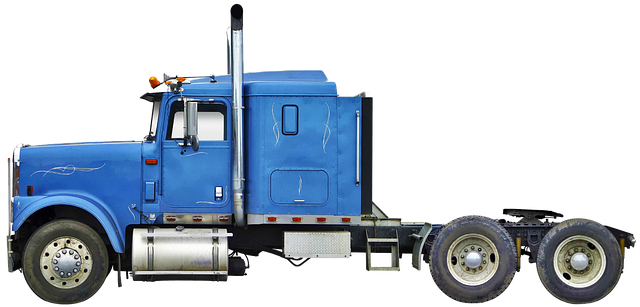
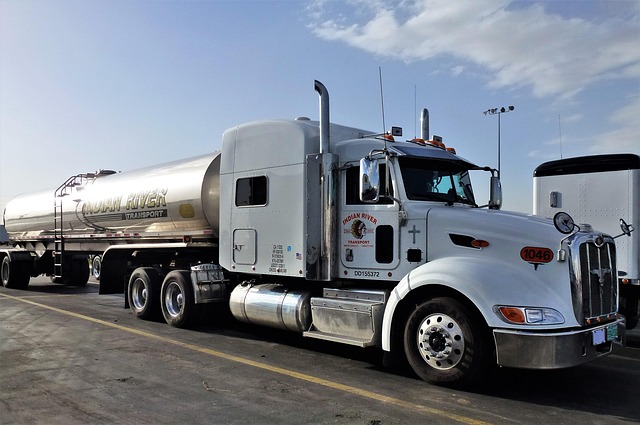
For example, passenger cars and light trucks weighing under 10,000 pounds typically fall into Class A or B registration. Heavy-duty vehicles, such as semi-trucks or construction equipment, are classified differently based on their gross vehicle weight rating (GVWR). In California, mobile VIN verification services can be particularly useful for fleet managers or individuals with hard-to-reach vehicles, ensuring a faster and more convenient process. By utilizing these services, you can confirm the VIN’s authenticity and accuracy, which is essential for compliance and avoiding potential penalties.
The type of registration also depends on how your vehicle will be used. Recreational vehicles like motorhomes may have different registration requirements than daily drivers. Additionally, if your car has been imported or is a classic vehicle, there might be special considerations. It’s important to consult the California Vehicle Code and visit the Department of Motor Vehicles (DMV) website for detailed guidelines. They provide comprehensive information on each class, including any associated fees and documentation needed, ensuring you can select the appropriate registration process.
Complete the Online Registration Application (VIN Verification Included)
Registering a car in California involves several steps, but completing the online registration application is a crucial and streamlined process that can save you time and effort. The first step within this process is VIN verification, which ensures the vehicle’s unique identification number (VIN) is accurate and authentic. This critical component is often overlooked but plays a pivotal role in establishing the car’s history and its compliance with state regulations.
California offers an efficient online system where you can initiate the registration process from the comfort of your home. The application typically requests detailed information about the vehicle, including the VIN number. Here’s where mobile vin verifiers come into play—these innovative tools allow for easy and accurate VIN inspection, providing real-time data to ensure the VIN’s validity. By employing a mobile vin verification service, you can quickly cross-reference the provided VIN with reliable databases, enhancing the accuracy of your registration application.
For instance, many mobile apps offer this service, guiding users through a simple process where they input their VIN and receive immediate feedback on its status. This modern approach streamlines the traditional VIN inspection process, which used to involve visiting a DMV office or hiring a professional inspector. Now, with just a few clicks, California residents can verify their vehicles’ identities, ensuring a smooth transition into the registration process. This method not only saves time but also reduces potential errors, making it a highly recommended strategy for responsible car owners.
Submit and Pay Fees: Finalizing Your Car's Registration
Completing your car’s registration involves a critical step: submitting and paying the required fees for finalization. This process ensures your vehicle is legally recognized on California’s roads. The first order of business is to prepare your documents, including proof of insurance, ownership transfer, and a valid driver’s license. Gather these essentials to streamline the transaction. Once ready, you’ll need to visit the California Department of Motor Vehicles (DMV) or utilize their online services for registration.
The heart of this process involves verifying your vehicle’s Vehicle Identification Number (VIN). This unique 17-character code is a cornerstone of accurate identification. Consider employing a mobile VIN verification service or a professional VIN inspector to ensure the process is seamless and error-free. These methods, including remote VIN checks through apps or in-person at specialized centers, can save time and reduce potential errors. The DMV will cross-reference your provided information and VIN data to validate ownership and safety standards.
After passing inspection, you’ll be directed to complete the registration fee payment. California has specific fees for various vehicle types, which can include a registration fee, vehicle license fee, and potentially other taxes or surcharges. Ensure you understand all applicable charges before finalizing your transaction. Payment methods typically accepted include credit cards, checks, and cash. Once processed, you’ll receive your official vehicle registration documents, valid for a specified period, usually reflecting the next year’s expiration date.
By meticulously navigating California’s car registration requirements, including crucial VIN verification, you can ensure your vehicle’s legal status. Key takeaways include gathering essential documents, selecting the right registration class, completing an online application seamlessly, and promptly submitting associated fees. This streamlined process empowers you to confidently register your car in California, underscoring the importance of due diligence and adherence to official procedures for a smooth, efficient experience.