
Registering a car in California is more than just a bureaucratic task; it’s a crucial step to ensure your vehicle is legally recognized on the state’s roads. However, navigating the process can be confusing, with various requirements and paperwork involved. This comprehensive guide aims to demystify the procedure, offering step-by-step instructions to ensure a smooth experience. We’ll delve into every aspect, from gathering essential documents to the critical role of VIN verification in establishing ownership and ensuring vehicle authenticity. By the end, you’ll be armed with the knowledge needed to confidently register your car in California.
- Gather Necessary Documents for Car Registration
- Choose an Appropriate Vehicle Registration Class
- Perform VIN Verification for Accurate Records
- Submit Application with Local California Department of Motor Vehicles (DMV)
- Complete Post-Registration Tasks and Obtain License Plate
Gather Necessary Documents for Car Registration

Before you begin the registration process for your new or used car in California, ensure you have all the necessary documents ready. This step is crucial to streamline your registration experience and avoid any potential delays. Gather official paperwork such as the Vehicle Registration Application (Form DV305), which can be obtained from the California Department of Motor Vehicles (DMV). Additionally, you’ll need proof of insurance, a valid driver’s license, and the Certificate of Title or Bill of Sale, if applicable.
A key document in this process is the Vehicle Identification Number (VIN) verification. This is where mobile VIN inspection and mobile VIN verifier services can prove invaluable. By utilizing these services, you can have your car’s VIN verified electronically, ensuring its accuracy and providing peace of mind. It’s as simple as scheduling an appointment with a mobile service provider who will come to your location, or even sometimes, right to your home, to perform the VIN check using advanced technology. This is especially beneficial for those with busy schedules, enabling them to complete this essential step without any hassle.
Some common documents you’ll require include:
1. Proof of insurance: Demonstrating financial responsibility and coverage for your vehicle.
2. Valid driver’s license: Showing your identity as the registered owner.
3. Vehicle title or bill of sale: Proving ownership, especially when purchasing from a private seller.
4. Completed Form DV305: The official application for registration.
5. VIN verification report (from a mobile service): Confirming your vehicle’s unique identification number and its status in the DMV database.
Choose an Appropriate Vehicle Registration Class
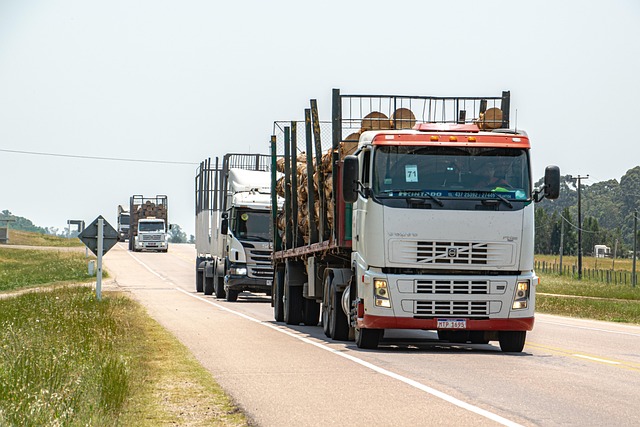
Choosing the right vehicle registration class is a crucial step in registering your car in California. The state’s Department of Motor Vehicles (DMV) offers several categories to ensure fair and consistent licensing, based on your vehicle’s type and use. For instance, classes like A, B, or C differentiate between single- and multi-purpose vehicles, with specific weight and passenger restrictions.
A key consideration is ensuring accurate Vehicle Identification Number (VIN) verification. This process establishes the vehicle’s identity and history. You can conduct a VIN inspection yourself using a mobile VIN verifier, which provides instant data on the car’s make, model, year, and any reported accidents or outstanding loans. Many mobile VIN inspection apps are available, offering convenience and peace of mind.
For classic cars or vehicles with unique modifications, consult the DMV guide for specialized registration options. For example, historic vehicles over 25 years old may qualify for a special historic plate, which often involves additional documentation and inspections. This ensures that your vehicle meets safety and environmental standards while recognizing its historical significance.
Ultimately, selecting the appropriate class during registration not only ensures legal compliance but also contributes to efficient road management in California. Always verify your VIN before registering to guarantee an accurate and smooth process.
Perform VIN Verification for Accurate Records

Performing a Vehicle Identification Number (VIN) verification is a critical step in ensuring accurate car registration in California. This process confirms the vehicle’s history and authenticity, which is crucial for maintaining robust records and preventing fraud. A VIN inspection ensures that all details associated with the car, from its manufacturing to ownership history, are accurate and up-to-date. In California, where vehicles undergo frequent ownership changes, this verification becomes even more vital.
A mobile VIN inspection or verification service is an efficient way to streamline this process. These services send a trained specialist directly to your location to conduct the check. They use specialized equipment to pull real-time data from the National Motor Vehicle Title Information System (NMVTIS), providing instant access to the vehicle’s history, including any accidents, titles, and structural damage. For instance, a recent study showed that nearly 20% of vehicles in California had undisclosed damage, highlighting the importance of mobile VIN verification in keeping records accurate and safe.
To ensure optimal record-keeping, it’s recommended to perform VIN inspections every one or two years, especially for older vehicles. This proactive approach not only protects you from potential legal issues but also facilitates smoother transactions when selling or transferring ownership. By integrating a mobile VIN inspection into your routine maintenance schedule, California car owners can have peace of mind knowing that their vehicle records are precise and reliable.
Submit Application with Local California Department of Motor Vehicles (DMV)

To finalize your car’s registration process in California, the next step is to submit a complete application at your local California Department of Motor Vehicles (DMV) office. This crucial phase involves verifying key information and ensuring compliance with state regulations. One essential aspect, often overlooked but vital for security and accuracy, is the Vehicle Identification Number (VIN) verification. You may opt for traditional VIN inspection at a DMV or leverage modern solutions like mobile VIN verification services to streamline this process.
When visiting the DMV, ensure you’ve gathered all necessary documents, including your vehicle’s title, registration papers, proof of insurance, and valid driver’s license. During the submission, an DMV representative will review these documents and perform a comprehensive inspection, which includes a detailed VIN check. This verification step is critical as it ensures that your car’s identification number matches the information on record and helps prevent fraud or theft. In California, where vehicle registration is strictly regulated, accurate VIN data is essential to maintain compliance and facilitate efficient record-keeping.
Consider leveraging mobile VIN inspection services for added convenience. These services send a licensed inspector to your location, enabling real-time VIN verification. This approach is particularly beneficial for those with busy schedules or individuals who prefer a more streamlined registration process. By combining traditional DMV procedures with innovative mobile solutions, you can ensure a smooth and efficient car registration experience while adhering to California’s stringent requirements.
Complete Post-Registration Tasks and Obtain License Plate

After successfully registering your vehicle with the California Department of Motor Vehicles (DMV), there are crucial post-registration tasks to complete before hitting the road legally. One of the most vital steps in this process is obtaining a license plate, which serves as a visual confirmation of your vehicle’s official registration. This involves a simple yet important procedure that ensures your vehicle is identifiable and traceable within the state’s transportation network.
To streamline this process, many Californians opt for mobile VIN verifiers, offering a convenient and efficient way to complete the required VIN inspection. By utilizing these services, you can have your vehicle’s VIN (Vehicle Identification Number) verified on-site, eliminating the need for unnecessary trips to DMV branches. This modern approach reflects today’s digital era, where convenience and time-saving measures are highly valued. The process typically involves a trained professional who uses specialized equipment to cross-reference your vehicle’s information with state databases, ensuring accuracy and authenticity.
Once your VIN has been verified, you can obtain the necessary license plate from designated DMV locations or authorized dealers. It is essential to choose a license plate that aligns with your vehicle’s make, model, and year for optimal identification purposes. Remember, proper licensing and registration are not just legal requirements but also contribute to enhancing road safety and efficient traffic management in California. By adhering to these post-registration tasks diligently, you ensure that your vehicle operates within the law and is prepared to navigate the state’s vibrant tapestry of transportation.
By diligently gathering essential documents, selecting the correct vehicle registration class, conducting a precise VIN verification, and submitting applications to the California DMV, individuals can successfully register their cars. Completing these steps ensures accurate records, allowing drivers to legally operate their vehicles and access crucial services. Remember, proper vin verification is paramount for maintaining comprehensive and error-free records. With this guide’s insights, registering your car in California becomes a straightforward process, empowering you to navigate the system confidently.