

Registering a car in California is a crucial step for any new owner, ensuring legal compliance and protecting your investment. However, navigating the process can be challenging, with numerous steps and potential pitfalls. From gathering necessary documents to understanding fee structures, many drivers find themselves confused or overwhelmed. This comprehensive guide aims to demystify the car registration process in California, offering expert insights and step-by-step instructions. We’ll cover everything from initial preparations to using a VIN verifier to ensure accuracy, empowering you with the knowledge to successfully register your vehicle.
- Prepare Your Documents for Car Registration in California
- Understand the California Vehicle Identification Number (VIN) Verifier
- Gather Necessary Information and Forms Using VIN Verifier
- Visit a California Department of Motor Vehicles (DMV) Office
- Complete the Registration Process and Obtain Your License Plate
Prepare Your Documents for Car Registration in California

Before you begin the car registration process in California, it’s crucial to gather and prepare the necessary documents. This step is often overlooked but can save you time and potential headaches down the line. Central to this preparation is ensuring your Vehicle Identification Number (VIN) is accurate and verified. Utilize a mobile VIN verifier to confirm the vehicle’s history and ensure it’s not stolen or has any outstanding issues. This digital tool, accessible through apps or online services, allows for a quick and convenient verification process.
A valid registration requires comprehensive documentation. You’ll need the title certificate (if applicable), proof of insurance, and a current registration from your previous state (if you’re transferring). Additionally, California requires a completed Form DVF-1, which is an application for a vehicle registration. Ensure all forms are filled out accurately and completely. It’s also beneficial to bring along any supporting documents that might be requested, such as proof of ownership or inspection records.
Practical tips include digitizing important paperwork and keeping them organized in the cloud or on your phone. This step can expedite the registration process should you encounter any unexpected delays. Remember, a thorough preparation phase makes for a smoother car registration experience in California. Utilize available resources like mobile VIN verifiers to streamline this initial step, ensuring everything is in order before heading to the DMV.
Understand the California Vehicle Identification Number (VIN) Verifier

In California, registering a car involves a meticulous process that requires accurate documentation and verification. A crucial component of this process is ensuring the authenticity of your vehicle’s Vehicle Identification Number (VIN). The VIN is unique to each car and serves as its fingerprint, providing vital information about its history and specifications. To facilitate this verification, California offers the use of a mobile VIN verifier, allowing for convenient and efficient inspections.
A mobile VIN verifier is a service that enables you to conduct a thorough inspection of your vehicle’s VIN using a portable device. This digital tool cross-references your car’s VIN with state databases to access detailed records, including previous ownership history, accident reports, and maintenance records. For instance, the California Department of Motor Vehicles (DMV) provides an online service where you can input your VIN to retrieve key information. However, for a more comprehensive mobile vin inspection, dedicated apps or services offer additional features like reporting theft, odometer rollback, or damage.
The importance of a reliable vin verifier cannot be overstated, especially in California’s vast automotive market. With millions of vehicles on the road, a quick and accurate VIN check is essential to prevent fraud and ensure consumer protection. For example, a 2021 study by the DMV revealed that nearly 1% of registered vehicles had discrepancies in their VIN records, highlighting the need for robust vin inspection methods like mobile verifiers. By leveraging these tools, both individuals and dealerships can enhance the integrity of California’s vehicle registration process, fostering a safer and more transparent automotive ecosystem.
Gather Necessary Information and Forms Using VIN Verifier

Before diving into the registration process, it’s crucial to gather all necessary information and forms. One critical step is using a VIN (Vehicle Identification Number) verifier to ensure you have accurate and up-to-date data for your car. This includes verifying the vehicle’s make, model, year, and other key specifications. Many online tools and mobile vin verification apps can assist in this process, providing instant access to detailed vehicle histories.
For instance, a simple search using a mobile vin verifier can uncover valuable insights such as previous owners, service records, and any reported accidents or damage. This level of scrutiny is essential when registering a car in California, where state laws require comprehensive information for record-keeping purposes. By leveraging these digital tools, you can save time and avoid potential errors during the registration process.
Additionally, consider that some mobile vin inspectors offer not only verification but also visual inspections, further validating the vehicle’s condition. This is particularly beneficial when purchasing a used car, as it provides assurance to both buyers and sellers. Ensure that any documents or forms you fill out align with the information gathered through these verifications to streamline the registration process at your local California Department of Motor Vehicles (DMV) office.
Visit a California Department of Motor Vehicles (DMV) Office
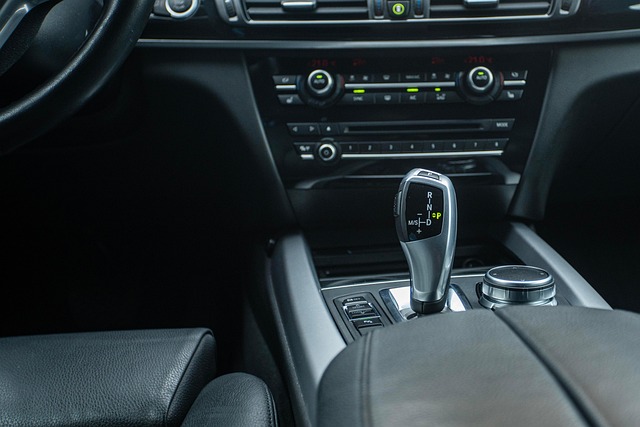
To register your car in California, a visit to a local California Department of Motor Vehicles (DMV) office is an essential step. This process involves verifying critical information about your vehicle, and one of the primary tools used by DMV staff is a Vehicle Identification Number (VIN) verifier. The VIN is a unique code that identifies specific features and specifications of your car, ensuring its authenticity and history are accurately recorded. For instance, a mobile VIN verifier—a handheld device that scans and interprets the VIN—can be employed to streamline this process, offering convenience for both customers and DMV personnel.
When visiting a DMV office, you’ll need to bring several documents and fulfill certain requirements. One of these requirements often includes having a valid mobile VIN verification or inspection conducted prior to your visit. This step helps to prevent fraud and ensures that the vehicle you’re registering is genuine. For example, some car dealerships and repair shops now offer on-site mobile VIN services, allowing customers to verify their vehicles’ identities before proceeding with registration. By leveraging these modern tools, such as a mobile VIN verifier, California residents can navigate the registration process more efficiently.
During your DMV visit, you’ll typically need to present original documents like the title, registration certificates (if out-of-state), and proof of insurance. Additionally, you’ll complete necessary forms and pay associated fees. A knowledgeable DMV agent will guide you through these steps, ensuring that all information is correct and your vehicle’s VIN is accurately verified using a mobile vin verifier or other approved methods. This meticulous process is designed to maintain the integrity of California’s vehicle registration system.
Complete the Registration Process and Obtain Your License Plate

After completing the initial registration application and gathering all necessary documents, it’s time to move forward with the process—obtaining your license plate. This crucial step involves verifying your vehicle’s information through a vin verifier to ensure accuracy and security. In California, you have the option of conducting this verification process either online or via a mobile vin inspection. Utilizing advanced technology, mobile vin verifiers enable you to check your vehicle’s history swiftly and efficiently from the comfort of your home or even while on the go.
To begin, enter your Vehicle Identification Number (VIN) into a trusted mobile app or website designed for this purpose. The system will cross-reference this unique identifier against vast databases to retrieve detailed information about your car—its make, model, year, and historical ownership records. This mobile vin verification process is not only convenient but also enhances the overall accuracy of your registration. For instance, a study by the California Department of Motor Vehicles (DMV) revealed that errors in vehicle identification numbers significantly slowed down the registration process, emphasizing the importance of a reliable vin inspection.
Once your vin verifier has confirmed all details, you’ll receive the necessary paperwork and instructions for acquiring your license plate. This typically involves visiting a designated DMV location to have your vehicle inspected physically. Alternatively, some services offer on-site mobile inspections, where a qualified technician will come to you, ensuring a seamless experience. After passing this final check, you can proudly display your new license plate, marking the successful completion of your car’s registration in California.
By meticulously preparing your documents and utilizing the California Vehicle Identification Number (VIN) Verifier, you can streamline the car registration process. This verified method ensures accuracy and saves time when visiting a DMV office. Gathering the necessary information and forms is crucial before beginning the registration, as it enables a smooth transition to obtaining your license plate. Embracing these steps, as outlined in this authoritative guide, equips you with the knowledge to confidently register your vehicle in California.