

Looking to register your car in California? This comprehensive guide walks you through every step, ensuring a smooth process. From understanding essential requirements to gathering the right documents and completing the application, we’ve got you covered. A key part of the process involves performing a DMV VIN verification, ensuring your vehicle’s authenticity. By following these steps, you’ll be on your way to securing your California car registration in no time.
- Understand California Car Registration Requirements
- Gather Necessary Documents for DMV Visit
- Perform Vehicle Identification Number (VIN) Verification
- Complete Application and Pay Fees at DMV
- Register Your Vehicle Online or by Mail
Understand California Car Registration Requirements

Before registering your car in California, it’s crucial to understand the state’s specific requirements. The California Department of Motor Vehicles (DMV) mandates several steps, including a thorough vehicle inspection and a comprehensive understanding of the documentation involved. One critical aspect is the DMV VIN verification process, which ensures that the vehicle’s unique identifier, the Vehicle Identification Number (VIN), matches the details in your ownership records.
Additionally, for added convenience, many residents opt for a mobile vin inspection or mobile vin verification. This allows you to complete part of the registration process from the comfort of your home or office. By adhering to these requirements and utilizing available resources like mobile inspections, you can streamline the car registration process in California.
Gather Necessary Documents for DMV Visit

Before visiting your local California DMV (Department of Motor Vehicles), make sure to gather all the essential documents required for registration. This process is crucial for a smooth and efficient transaction. You’ll need your vehicle’s registration certificate from its previous state, which can often be obtained through a mobile vin verification service or by checking with the previous owner. The Vehicle Identification Number (VIN) is a unique code that plays a vital role in this process, as it helps verify ownership and ensure the car’s history is accurately checked during the vin inspection.
Additionally, bring along proof of insurance, your valid driver’s license, and any other identifying documents such as a passport or state-issued ID. It’s always beneficial to check the DMV’s website for specific requirements, as they may vary based on your circumstances. Having these documents ready will save you time during your visit and allow you to quickly complete the car registration process.
Perform Vehicle Identification Number (VIN) Verification
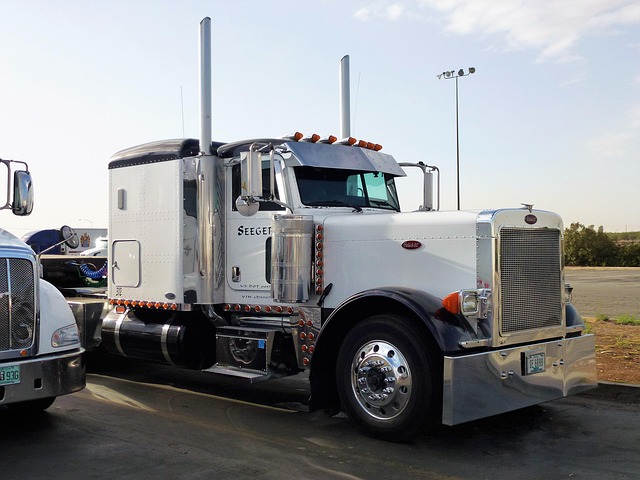
Before registering your car in California, it’s crucial to perform a Vehicle Identification Number (VIN) verification. This step is essential as it ensures that the vehicle’s history is accurate and matches the details provided. You can conduct this process through a mobile VIN inspection or by visiting a DMV office for a vin inspection. Both methods allow you to cross-reference vital information, including the vehicle’s age, make, model, and any previous accidents or damages, which are all factors that influence registration requirements.
A mobile VIN verification is convenient as it allows you to complete this task from the comfort of your home or while on the go. Alternatively, a traditional vin inspection at a DMV office can provide immediate results and offer additional services related to vehicle registration. Either way, ensuring your car’s VIN is verified is a key step in the registration process for California residents.
Complete Application and Pay Fees at DMV

After gathering all your required documents, it’s time to visit or contact the California DMV. Here, you’ll need to complete an Application for Title and Registration (Form DMV-123). This form requires detailed information about your vehicle, including its make, model, year, and unique identifier – the Vehicle Identification Number (VIN). Accurately completing this section is crucial for a seamless registration process.
Along with your application, you’ll be required to pay various fees. These include the registration fee, a title fee, and potentially other charges depending on your vehicle’s emissions status. The DMV offers several payment methods, so ensure you have one ready. It’s also worth considering using a mobile vin verifier or scheduling a mobile vin inspection to streamline this process, as accurate VIN verification is a key step in the registration procedure.
Register Your Vehicle Online or by Mail

Registering your vehicle in California has never been easier with the option to do it online or by mail. The California Department of Motor Vehicles (DMV) offers both convenient methods, ensuring a seamless experience for residents. If you’re wondering how to register, start by gathering all necessary documents and information, including your vehicle’s make, model, year, and unique Vehicle Identification Number (VIN).
For an online registration, visit the official DMV website and locate the dedicated section for vehicle registration. Here, you’ll initiate the process by entering your VIN for a quick verification step, ensuring the accuracy of your vehicle details. Alternatively, if you prefer a mail-in option, download and complete the appropriate forms from the DMV’s site, including a Vehicle Registration Application and Title Application. Then, submit these along with required fees and documents to the address specified on the forms. Both methods provide efficient ways to get your car registered without the hassle of visiting a DMV office.
Registering a car in California involves understanding state requirements, gathering essential documents, and completing necessary steps. After performing a DMV VIN verification, you can either visit a local DMV, or register online or by mail to ensure your vehicle’s compliance. By adhering to these straightforward processes, you’ll efficiently get your car registered in the Golden State.