

Registering a car in California is a crucial step for any new owner, ensuring legal compliance and facilitating smooth daily operations. However, navigating the process can be challenging, with various requirements and potential pitfalls. This article serves as your authoritative guide, demystifying every step involved. We’ll walk you through the entire journey, from gathering essential documents to the critical dmv vin verification process, ensuring a seamless and stress-free registration experience tailored to California’s unique regulations. By the end, you’ll be well-equipped to confidently register your vehicle.
- Gather Necessary Documents for Car Registration
- Prepare Your Vehicle for DMV Inspection
- Perform a Comprehensive Vehicle Identification Number (VIN) Verification
- Complete the California Car Registration Application Process
- Submit and Pay for Your Car Registration with DMV
Gather Necessary Documents for Car Registration

To register a car in California, you’ll need to gather several crucial documents. One of the most important steps in this process is ensuring your Vehicle Identification Number (VIN) is accurately verified by the Department of Motor Vehicles (DMV). This verification can be done through various methods, including a traditional DMV visit or leveraging modern tools like mobile VIN verifiers.
A mobile VIN verifier allows for remote inspection, providing convenience and time-saving benefits. These tools often involve scanning the VIN with a smartphone camera, followed by automated cross-referencing with databases to confirm vehicle details. This technology is particularly useful given California’s high volume of vehicles, making efficient VIN verification essential for both individuals and dealerships. For instance, a study found that over 10 million vehicles are registered annually in the state, emphasizing the need for streamlined processes.
Along with your mobile VIN verifier or physical inspection, collect essential documents like proof of ownership (a title document), current registration, vehicle insurance, and a valid driver’s license. It’s also recommended to bring along any relevant repair records or maintenance logs, as these can expedite the registration process. By ensuring all necessary paperwork is in order, including accurate VIN verification through methods like a mobile VIN inspection, you’ll be well on your way to successfully registering your vehicle with the California DMV.
Prepare Your Vehicle for DMV Inspection

Before you register your car in California, ensure your vehicle meets the state’s safety and emission standards by preparing for a crucial step: the DMV VIN verification process. This involves a thorough inspection that goes beyond a simple visual check. The California Department of Motor Vehicles (DMV) requires a Vehicle Identification Number (VIN) inspection to confirm the authenticity of your car’s details, including its year, make, model, and equipment. During this procedure, a trained examiner will conduct a detailed examination, paying close attention to critical components like brakes, lights, horns, tires, and exhaust systems.
A mobile VIN inspection or verification service can be particularly beneficial if you’re based in rural areas or have limited access to traditional DMV facilities. These services bring the inspection process directly to your location, saving time and effort. For instance, many professional automotive experts now offer mobile VIN inspections, utilizing advanced tools for a more efficient and convenient experience. This approach is especially practical when dealing with classic cars or vehicles that require specialized knowledge for accurate assessment.
By proactively preparing your vehicle, you can minimize potential issues during the DMV vin verification process. Regular maintenance records, up-to-date documentation, and ensuring all modifications are legal and properly installed will contribute to a smoother inspection. Remember, the goal is not just to pass the inspection but also to demonstrate responsible ownership and adherence to California’s automotive standards.
Perform a Comprehensive Vehicle Identification Number (VIN) Verification
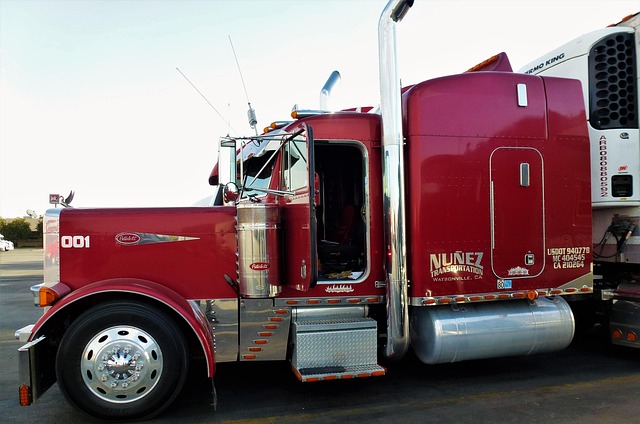
Registering a car in California involves several crucial steps, and one of the most important is performing a Comprehensive Vehicle Identification Number (VIN) Verification. This process ensures that the vehicle’s history aligns with what the owner claims, preventing fraud and ensuring safety. The California Department of Motor Vehicles (DMV) offers both in-person and mobile VIN verification services, making it convenient for residents to complete this essential task.
For instance, a 2018 study by the National Insurance Crime Bureau (NICB) revealed that approximately 4% of vehicles with suspicious histories passed initial DMV inspections due to gaps or inaccuracies in their records. A thorough VIN inspection can uncover these discrepancies, such as undisclosed damage, odometer rollback, or previous salvage titles. By comparing the vehicle’s physical condition with its recorded history, DMV agents or authorized inspectors can identify potential issues that might affect safety and value.
Mobile VIN verification services have gained popularity for their convenience and efficiency. These inspections can be conducted at the buyer’s location, whether it’s a private residence or a business, saving time and effort. During a mobile inspection, an authorized agent brings necessary equipment to assess the vehicle’s VIN and conduct a detailed check against DMV databases. This process involves scanning the VIN using specialized tools that cross-reference it with known records, providing immediate results. For instance, in 2021, the California DMV reported processing over 1 million vehicle registration transactions, emphasizing the importance of accurate VIN verifications to maintain the integrity of their systems and protect consumers.
Before proceeding with registration, ensure that your vehicle passes the DMV’s strict VIN verification process. This step not only safeguards you as a buyer but also contributes to California’s efforts to combat automotive fraud. Remember, an intact and verified VIN is the foundation for a legitimate car registration process.
Complete the California Car Registration Application Process

To complete the California Car Registration Application Process, you’ll need to gather essential documents and follow a structured approach. Start by acquiring the necessary forms from the California Department of Motor Vehicles (DMV) or downloading them from their official website. You’ll require proof of identity, ownership, and insurance, along with your vehicle’s Vehicle Identification Number (VIN). The VIN is crucial for dmv vin verification, ensuring that the vehicle matches the documentation exactly. This process can be completed online, over the phone, or in-person at a DMV field office.
If you opt for a mobile vin inspection, consider using a reputable mobile vin verifier to obtain this critical information swiftly and accurately. Many services offer this convenience, allowing you to enter your VIN into their system via text or an app, which then provides detailed vehicle history data. This method is particularly beneficial when time is limited or if you’re unable to visit a DMV location. Once all documents are in order, fill out the registration application thoroughly and accurately. Double-check your information for any errors before submitting it.
During the submission process, be prepared to present your paperwork and vehicle for inspection. An DMV agent will verify your details, including the VIN, and ensure that your car meets all legal requirements. If everything is in order, you’ll receive your registered vehicle papers, which include a unique identification number and proof of registration. Keeping accurate records and ensuring proper dmv vin verification throughout this process is paramount to maintaining compliance with California’s motor vehicle regulations.
Submit and Pay for Your Car Registration with DMV

To complete the registration process in California, you’ll need to submit and pay for your car’s registration with the Department of Motor Vehicles (DMV). This crucial step involves verifying your vehicle’s unique identifier—the Vehicle Identification Number (VIN)—to ensure its authenticity. The DMV offers several convenient methods for this VIN inspection, including both in-person visits and digital alternatives.
For traditionalists or those who prefer face-to-face interactions, visiting a local DMV office is an option. Here, trained staff will conduct a thorough VIN verification process, cross-referencing your vehicle’s details against their records. Alternatively, California’s DMV provides mobile vin inspection services. These allow you to get your VIN checked by authorized personnel at your convenience, whether that’s at home or on the go. Mobile vin verifiers can be particularly useful for those who have recently purchased a car and need swift confirmation of registration eligibility.
Online platforms further streamline the process. Many third-party services offer digital vin inspection, often with real-time updates and instant results. These options are efficient, especially during peak DMV hours or for those who live in areas with limited access to physical offices. Remember, a valid and current VIN is essential to demonstrate ownership and comply with California’s vehicle registration regulations. By utilizing the appropriate dmv vin verification methods, you ensure a smooth registration process, avoiding potential delays or issues down the line.
Registering a car in California involves a structured process, ensuring vehicle legality and safety. Key takeaways include gathering essential documents, preparing your vehicle for inspection, performing a critical DMV VIN verification, completing the registration application, and submitting payment. This comprehensive guide equips readers with the knowledge to navigate each step confidently, emphasizing the importance of accurate documentation and thorough vehicle inspections. By following these structured procedures, individuals can ensure their vehicle’s compliance, reflecting a seamless and successful car registration experience in California.